Work that gets found. SEO & AI search case studies
Selected programs across AI search, SEO, paid media and digital PR, from enterprise brands to local businesses.
AI share of voice by platform
Apparel-design campaign. Choose a tracked prompt.
Share of voice = brand mentions ÷ all brand mentions in the AI answer. Both tracked prompts include the brand name.
Visibility matrix
Select a dot to see what each AI platform returned.
| Campaign | AI Overviews | ChatGPT | Gemini | Perplexity | |
|---|---|---|---|---|---|
| AI logo maker | – | – | |||
| AI flyer generator | – | – | |||
| Business card maker | – | – | |||
| Hoodie designer | |||||
| Resume builder | – | ||||
| Mood board | – | – |
Filled dot: brand visible. Open dot: tested, not visible yet. Dash: not tested. Number: best position.
Enterprise GEO & AEO program
The challenge
A brand as big as Adobe already gets named in AI answers. The harder job was getting Adobe Express's specific product pages cited and linked for non-branded, customer-style questions in Google AI Overviews, ChatGPT, Gemini and Perplexity, and proving it with data.
The approach
I owned keyword mapping and competitor gap analysis for Adobe Express, matching target pages to the searches and AI prompts customers use and finding where competitors were getting cited instead. Then I mapped AI answers for 6 product lines to the questions customers ask (mostly non-branded) and tested which content changed them across 23 third-party articles, each built around 5 to 10 customer-style prompts. I designed the prompt-testing framework and prompt libraries, then tracked every placement by hand across AI Overviews, Google, ChatGPT, Gemini and Perplexity, scoring brand mentions, target-page links, article citations and share of voice. I also built the AI visibility workbook that other Adobe teams adopted, and managed 5+ vendors and 4+ freelance writers.
Results by product
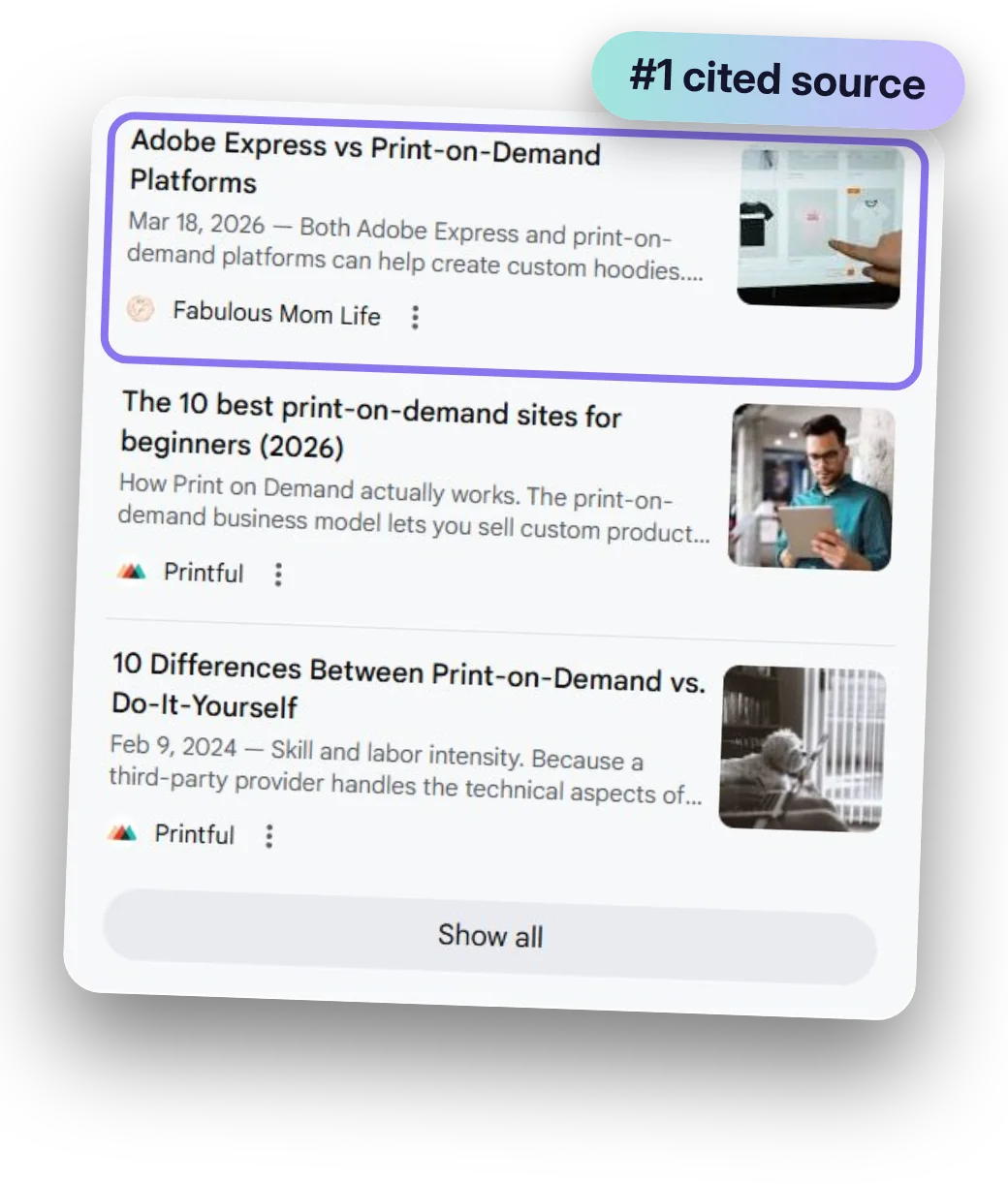
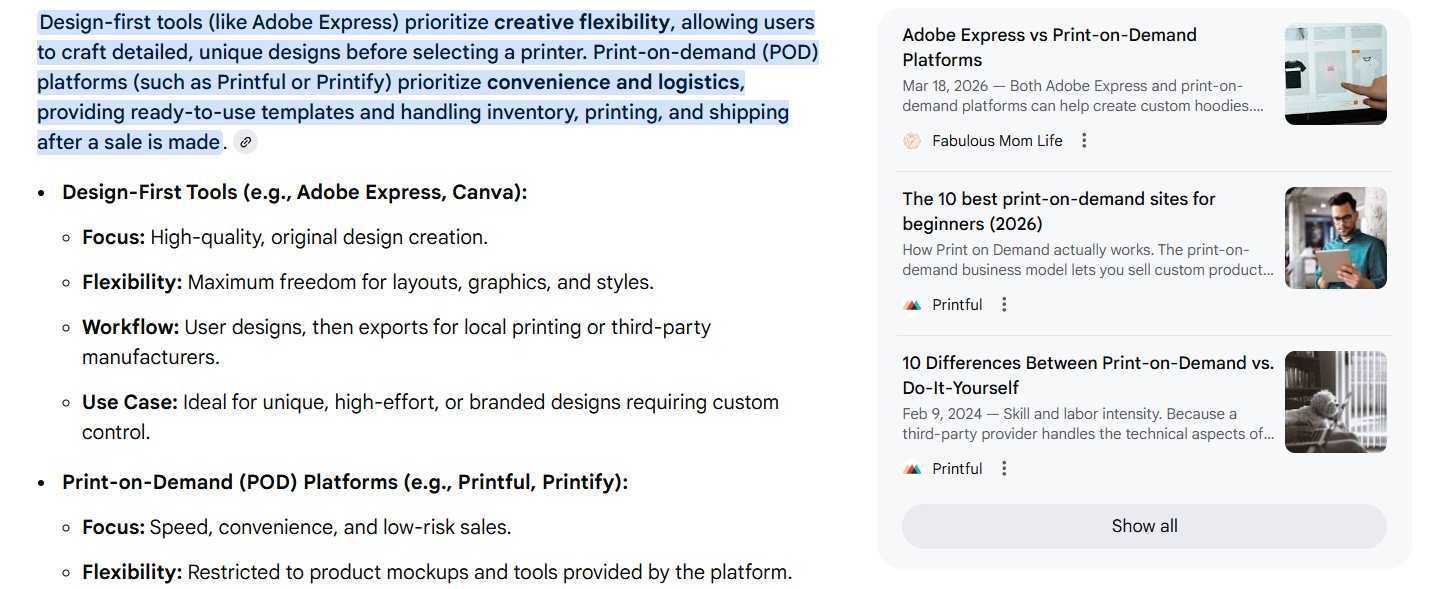
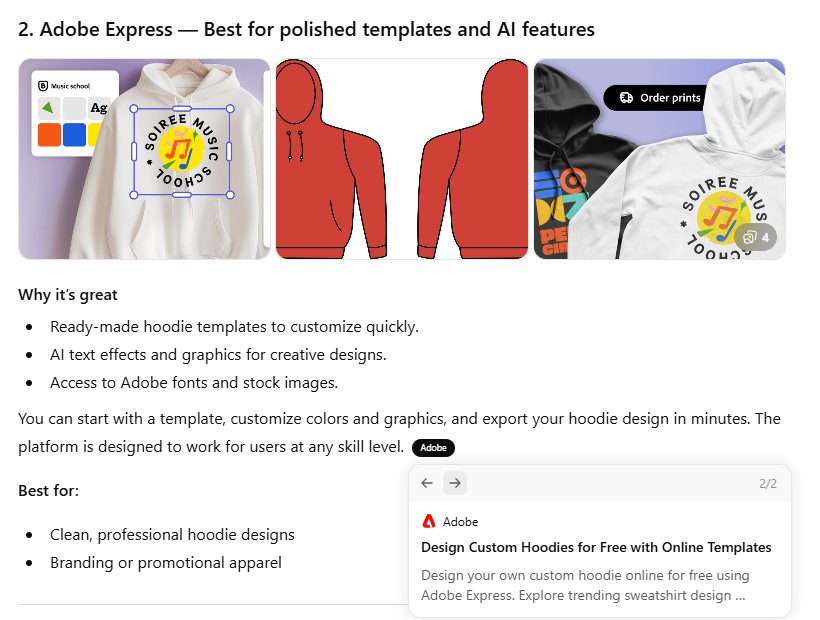
- Hoodie maker: cited at position 1 in an AI Overview for a non-branded prompt, with the fabulousmomlife.com article ranking #1 on Google. On a second placement (neworldsmagazine.com), ChatGPT went from no visibility at the first check to naming Adobe Express, with a link to the hoodie maker, within five weeks (on a follow-up prompt).
- Business card maker: cited at positions 3 and 4 in AI Overviews, #1 on Google, and linked by ChatGPT (tesseract.academy). A second placement got the product page linked in an AI Overview (accountingbyte.com).
- AI logo maker: placement articles ranked #1 on Google (buddymagazine.org, amourvert.com), the product page was linked at position 1 in an AI Overview, and ChatGPT linked it for 2 of 3 tested prompts.
- AI flyer generator: showed up at positions 2 and 5 in AI Overviews with a link to the article (adaptnetwork.com), and the product page was linked in an AI Overview for a second placement (coruzant.com).
- What didn't land: two placements got no ChatGPT mentions at all, and the mood board articles ranked #1 on Google but never appeared in AI answers before that product moved to Firefly. That's also the proof that AI visibility wasn't automatic, even for Adobe.
What it looked like
Directory listings built for AI search
The challenge
Earn trusted placements for Firefly's AI generator tools in the places search engines and AI assistants both read, without the spam risk of old-school directory blasts.
The approach
I screened directories by authority, traffic and AI-visibility score, used a backlink-gap audit to find directories that listed competitors but not Firefly, and wrote unique listings that pair the brand with each target keyword. Submissions were staggered, and open comment sections became a second source of links.
Only directories worth an AI's attention
Every prospect is also screened for site traffic, AI-visibility score, topical fit and spam risk. A backlink-gap audit surfaces directories that list competitors but not the brand.
Brand + keyword, side by side
Create anime-style characters and scenes with Adobe Firefly's free AI anime generator using text prompts or reference images.
VIEW TOOL ↗Unique copy for every listing, with the brand name next to the target keyword so AI models connect the two. Two or three tracked AI prompts are woven in, without keyword stuffing.
Steady, staggered publishing
Live listings carry the keyword in their FAQ sections, a product image, and a button linking to the product page.
One reply, two product links
Directories with open comments allow helpful one-sentence answers that link related tools, earning extra links with no added outreach.
Hyper-local paid media & lead generation
The challenge
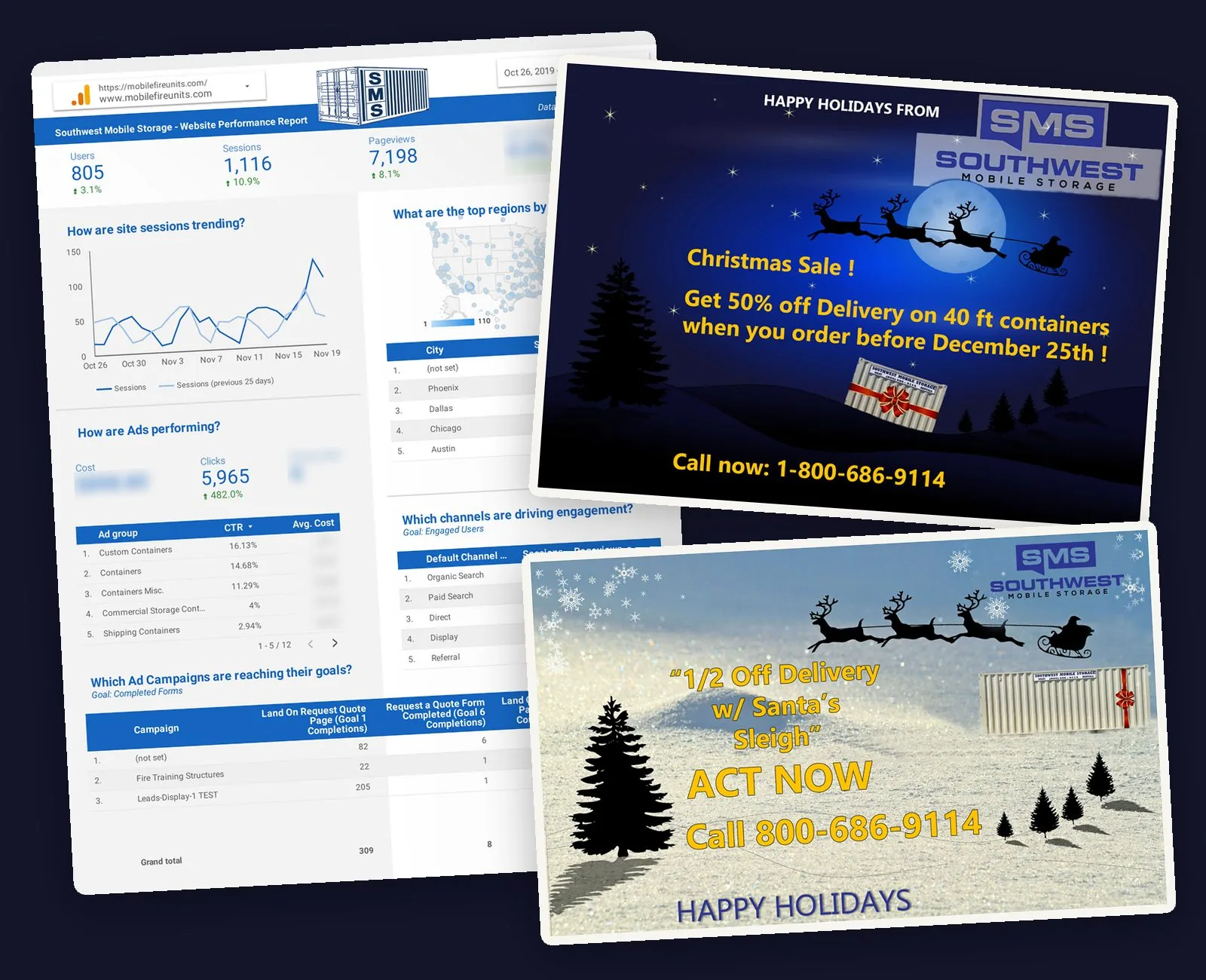
Drive more qualified leads for a regional business without inflating acquisition costs.
The approach
Led multimedia content creation and A/B testing, and ran hyper-local, multi-channel paid campaigns tuned for relevance and quality.
More projects
Portfolio-level advertiser coaching
Advised advertisers on targeting, creative testing, budgeting and scaling, and led A/B testing across multi-channel paid social. I also helped at-risk advertisers find where their ad spend was going wrong, which kept most of them from leaving.
The $65K horse trailer
A seller spending $100 a week with no leads was ready to quit. I rebuilt her Meta campaigns on $25 a week, and she sold a $65,000 trailer in week three. She stayed on as a client.
From unranked to page one for “nano blading”
A newer brow beauty bar wasn't ranking for “nano blading” while its competitors were. I paired an on-page overhaul (meta title and description, a keyword-rich product page URL, and internal links from related pages) with digital PR, guest posts and backlinks.
Digital PR for law firms
Ran digital PR for law firm clients, with personalized pitches to a curated publisher list.
Design, UX & web
Research, wireframes, prototypes and presentations from my Google UX Design Certificate projects. Each case study walks through the problem, the research and how usability testing changed the design.
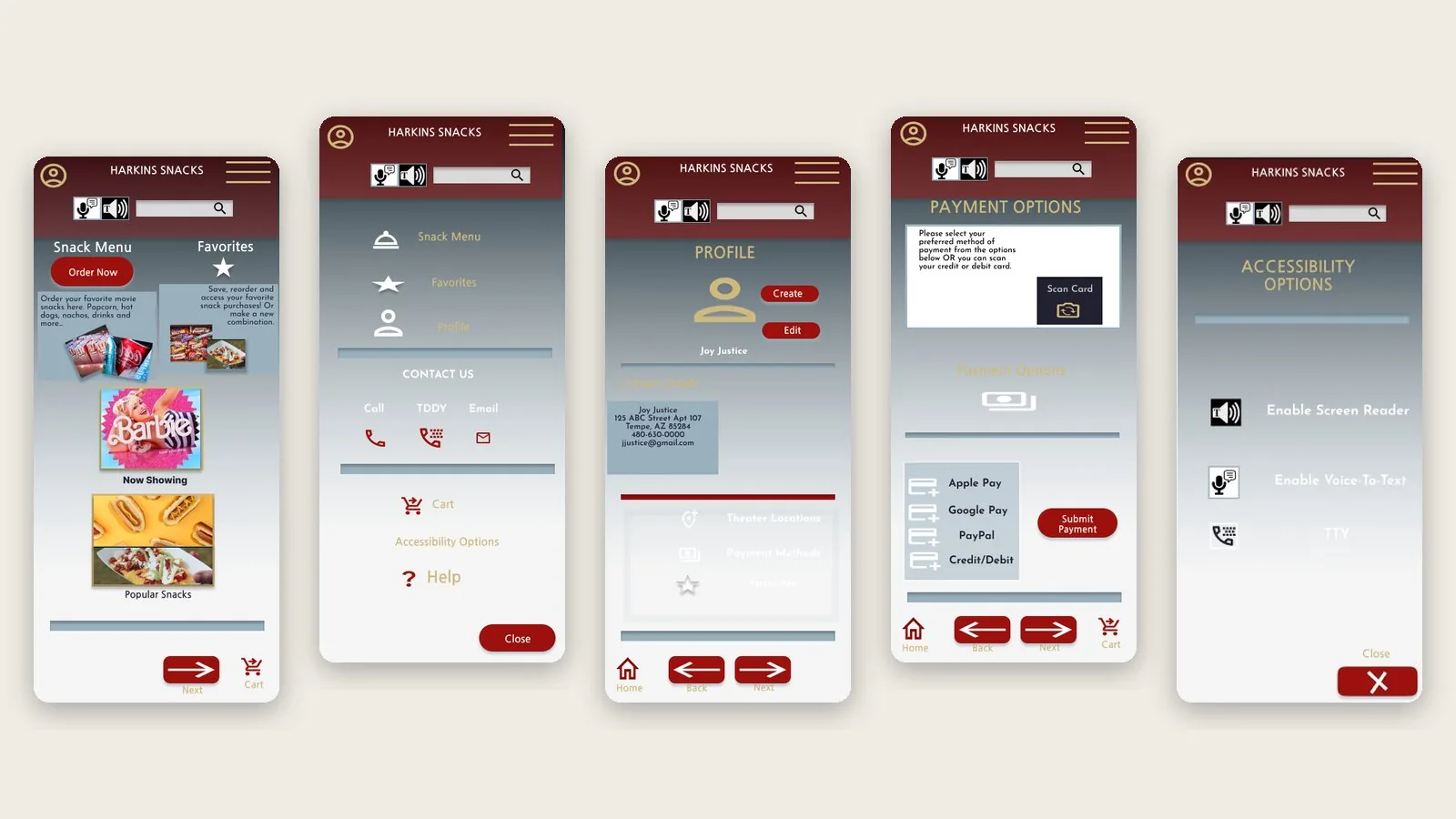
Skip the concession line, not the movie
A concept app that lets moviegoers order snacks ahead, even mid-movie, for fast pick-up. As lead UX designer and researcher, I took it from interviews, personas and competitive audits through wireframes, prototypes and a full design system, with accessibility built in from the start: voice navigation, a screen reader, large icons and WCAG-checked contrast.
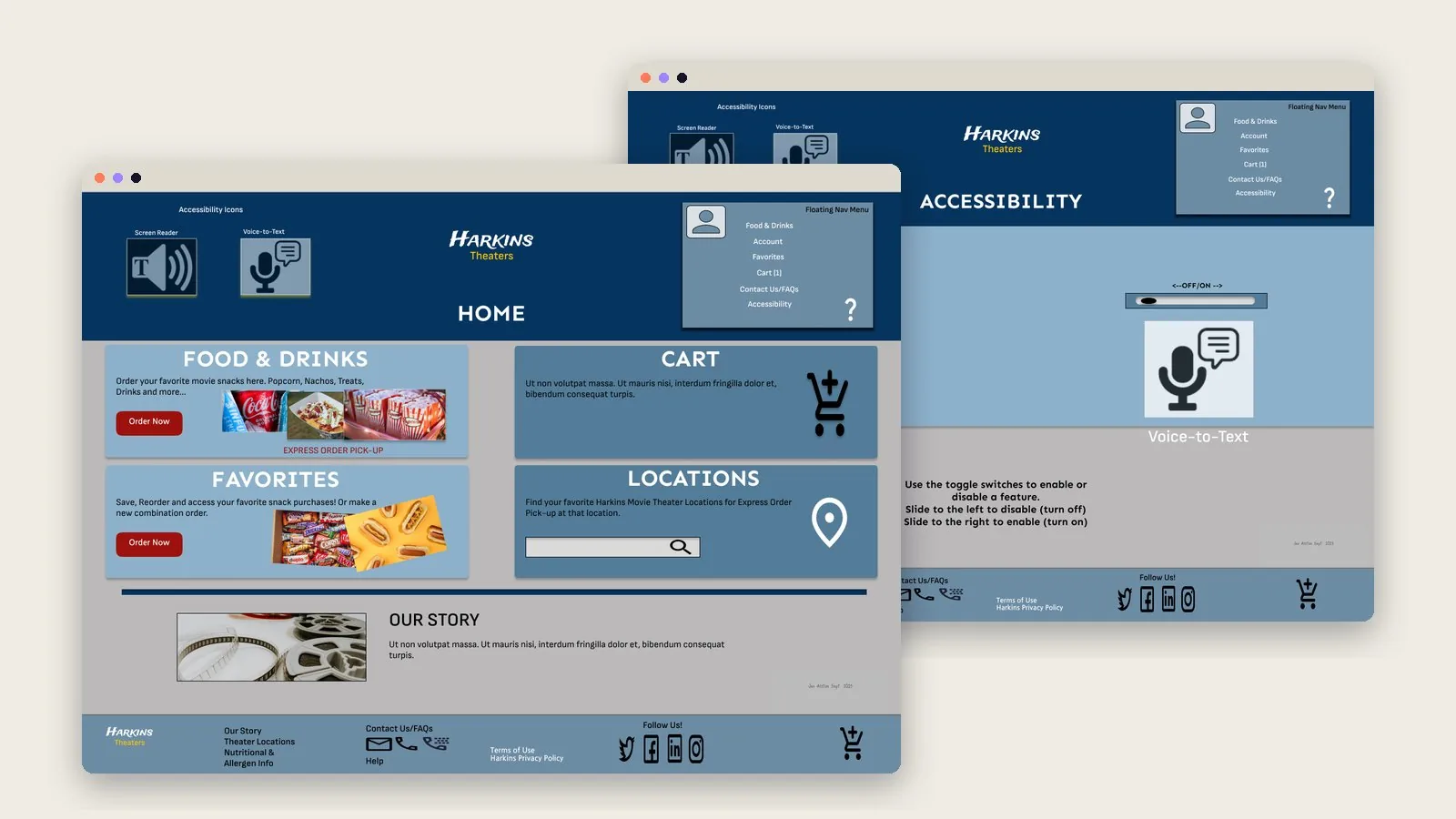
Express snack pick-up, with accessibility up front
The website companion to the snack app, built for moviegoers who'd rather order ahead than miss the opening scene. As the UX designer leading the site, I went from a site map and paper wireframes to a high-fidelity responsive prototype. Usability testing reshaped the navigation: confusing arrows became a floating nav menu, accessibility controls moved into the top bar, and payment became quick pop-up steps.
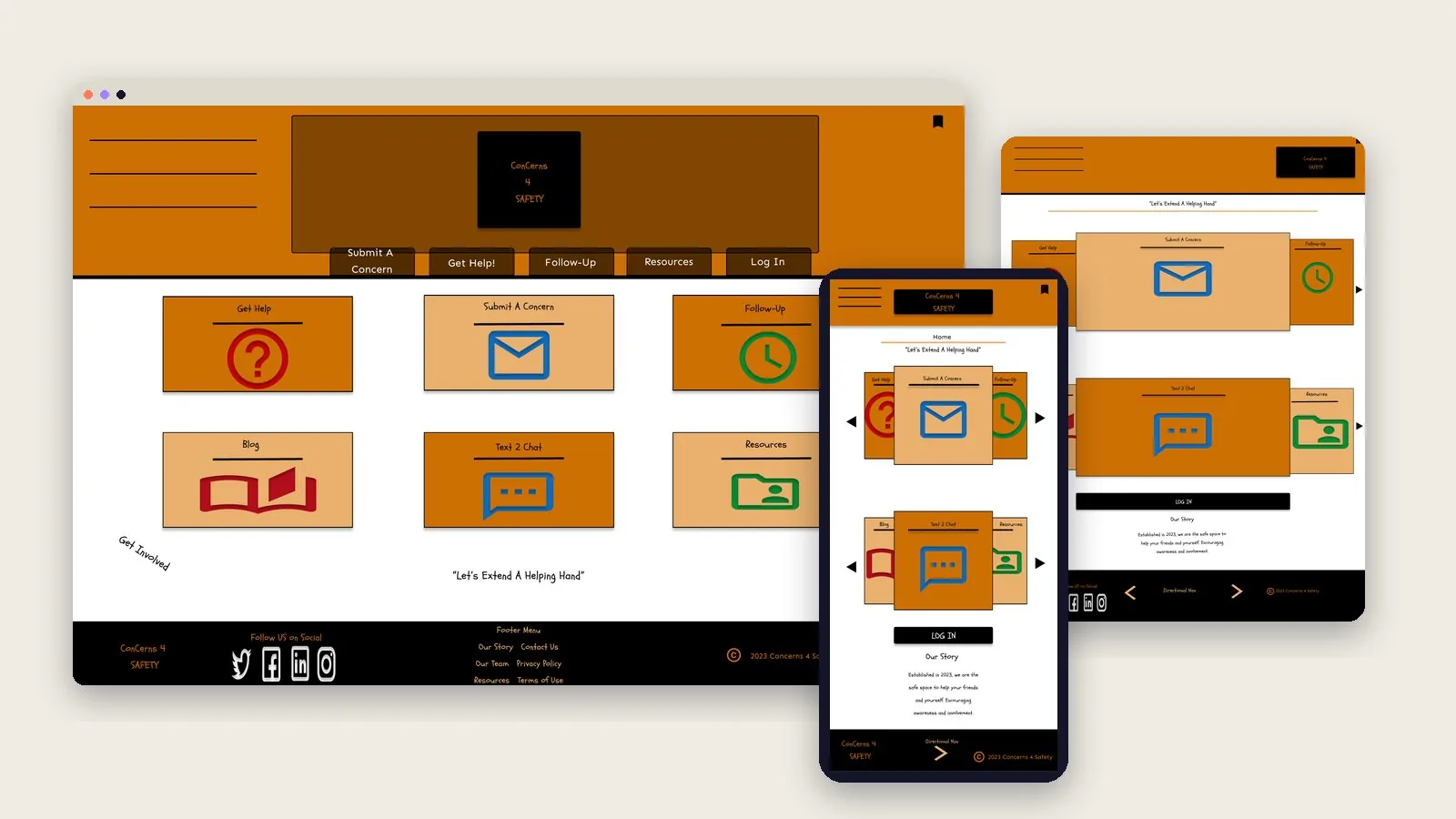
A safe, anonymous way for students to speak up
A responsive site and app that lets K–12 students anonymously report concerns about a peer's safety, straight to school and district staff, with peer-to-peer chat and resources built in. As lead UX designer and researcher, I designed the full flow, from location and school to the concern form and confirmation, keeping navigation simple and calm for teens. Testing moved logout, navigation and the urgent-help message to where students could find them quickly.
Your brand could be next.
Tell me where you want to show up.